
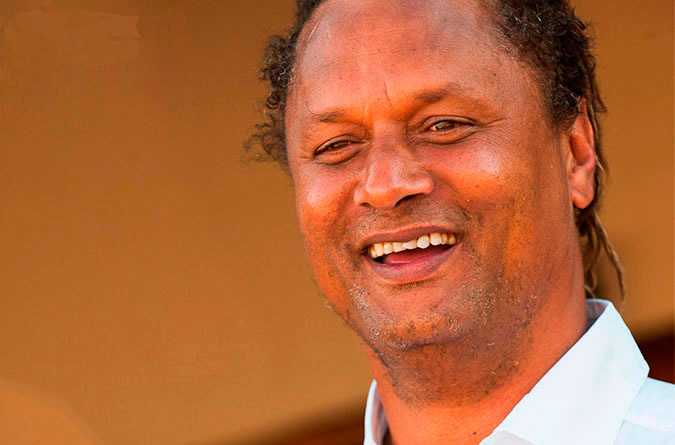
2022 Recipient
Dr. Willy Chambulo
Founder, Kibo Safaris, Tanganyika Wilderness Camps & Tanganyika Foundation
Willy grew up in a mud hut in a small village in Northern Tanzania. His parents could only afford 7 years of formal education, after which Willy headed to Arusha to work as a mechanic. He worked his way up and went on to create the best safari business in the country.
Willy believes that one of the best ways to help people is to educate and employ them. Today Kibo Guides and Willy’s other company Tanganyika Wilderness Camps operates 11 lodges and 10 mobile camps. They train and hire guides and staff from neighboring villages and currently employs 870 Tanzanians.
As president of Tanzanian Association of Tour Operators, Willy’s generosity is legendary both in terms of his humanitarian work and his willingness to help other young entrepreneurs launch and grow their businesses respectfully and responsibly.
Through his Tanganyika Foundation Willy supports a Maasai girls’ school in Arusha, rural medical clinics, and several other schools and villages. For 20 years, he has been our key advisor and partner in Tanzania for our Water Sanitation and Hygiene (WASH) initiative, as well as our collective work to improve schools and support rural villages. To date through the Grand Circle Foundation, we donated $2.1M to more than 30 village in support of 22 schools, including the investment of $544,428 for WASH projects including wells, water filters and toilets.
Willy helped Harriet Lewis design and operate the Next Generation Leaders program, for rising college freshmen from Dorchester, Roxbury and Mattapan. The capstone event is the trip of a lifetime to Tanzania. These students interact with young student leaders in Tanzania.
Willy is very proud of his Maasai heritage. He has shared his beloved homeland, love of nature and respect for the Maasai, Barabaig and Mandoke people with tens of thousands of travelers. His programs give visitors a change to learn more about the native people of Tanzania.
He was a lead supporter of the Serengeti De-Snaring Program to stop poaching by removing thousands of snares and releasing hundreds of caught animals. Promoting responsible tourism protects the sacred landscape of the Serengeti.
Moral Courage In Leadership Award
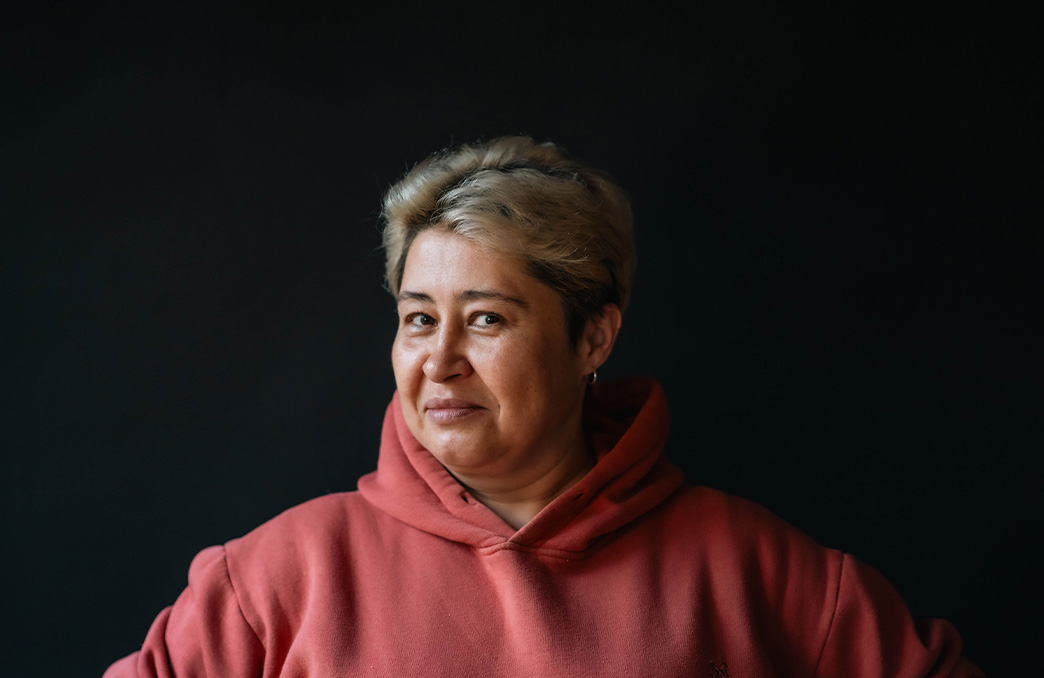
2025 Recipient
Natalia Zubkova
Journalist
Natalia Zubkova is a homemaker-turned citizen journalist who created her own online media outlet to report on the environmental disaster in her remote Siberian hometown. Her coverage of an underground coal fire from an abandoned Soviet mine leaking toxic gas was picked by Alexey Navalny in 2019 and quickly went viral. Natalia soon became the target of a massive government disinformation campaign and death threats. She now lives in exile and yet continues to shine light on the human cost of coal pollution and help others facing discrimination and hardship.
She is also the subject of a Redford Center sponsored film, Black Snow, directed by Alina Simone, which was recently awarded the Activist Lens prize at Movies That Matter in The Hague.
Bedatri D. Choudhury, for DOC NYC, describes Zubkova and the film, stating, Zubkova is an army of one who first exposes and then fights the rampant corruption of the Russian government and its coal mafia, despite surveillance, harassment, and threats. In this investigative thriller, witness the story of an environmental warrior who risks it all in her pursuit of justice and accountability from an authoritarian regime.
Coal is essential to the Russian economy. The government and mine owners will go to great lengths to suppress activists and journalists whose work threatens the production of coal. Natalia’s hometown of Kiselyovsk, is located in southwestern Siberian City, and is home to 90,000 residents. It has the largest coal reserves on earth. For years the coal was mined underground until the owners figured it was cheaper to operate open pits. According to Natalia, ‘We live on an island surrounded by a coal ocean.’
The level of coal pollution in Kiselyovsk is so extreme the Wall Street Journal has dubbed it Russia’s ‘death valley’. Natalia exposed residents whose tap water contained live worms and the black snow that covered the entire city – an incident the mayor attributed to “lack of wind”. Both of Natalia’s two daughters were born with kidney disease, which is strongly linked to coal pollution. The rates of cancer, birth defects and asthma in Kiselyovsk are way above national averages.
In 2020, a friend alerted her that she was being watched, but she persisted. In 2021, she was part of the government’s crackdown on journalists, where nationally recognized activists and journalists were beaten and jailed. The lives of Natalia’s children were threatened, and she received anonymous messages promising she would be burned alive in the public square.
After facing attacks and death threats, Natalia and her youngest daughter fled Russia for Georgia, where Natalia continued to report on the health costs of coal pollution and joined protests against Putin after Russia’s invasion into Ukraine.
In 2022, Natalia created a refugee shelter “A Quiet Place” for people fleeing Ukraine, Belarus and Russia as a result of war and persecution. It is hard to overstate the level of this achievement. Natalia was living in poverty, together with her daughter, as a refugee in Georgia herself at the time. She launched a successful crowd-funding campaign and managed to raise enough money to rent and refurbish an entire 3-story building.
A Quiet Place is still running as of today, providing housing for up to 27 people in Georgia, serving the vital needs of Ukrainian families whose homes have been destroyed, LGBTQ activists from Belarus and Russia, and men who refuse to take up arms against Ukraine.
Since March 2024, Black Snow has won ten awards and In November 2024, Erin Brockovich joined the film team as an Executive Producer of Black Snow and the film will have its U.S. broadcast premiere on PBS on September 15, 2025.
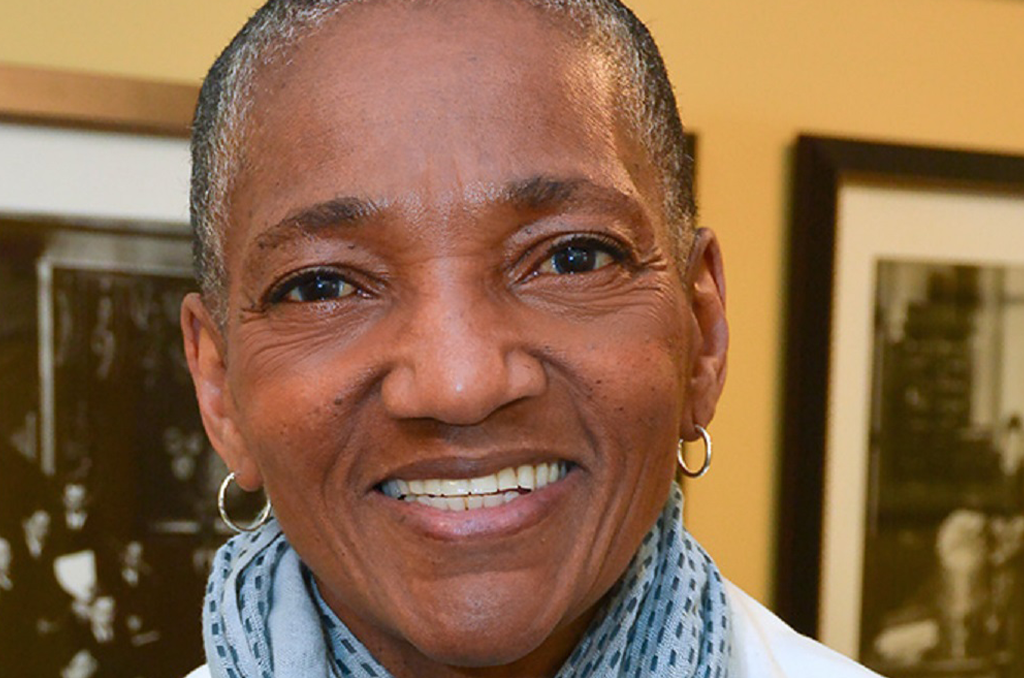
2024 Recipient
Dr. Thea James
Vice President, Mission, Boston Medical Center
Dr. Thea James is an emergency medicine physician dedicated to reducing community violence and healthcare disparities among vulnerable populations. We recognize her career-long commitment, nationally recognized leadership, and work to reduce racial disparities and increase patient input and empowerment, in a city where differences in life expectancy between communities of color and whiter and more affluent neighborhoods can be as high as 23 years.
Appointed Boston Medical Center’s Vice President of Mission, Dr. James oversees a range of innovative, patient centered programs not usually found in a hospital setting. Her goal is to foster innovative and effective new models of care that are essential for patients and communities to thrive and reach their full potential. This includes focus on the intersections of health and wealth, economic mobility and other upstream drivers of predictable poor health outcomes. These care models are critical to operationalizing equity in the broadest sense.
Dr. James is the driving force behind Boston Medical Center’s Health Equity Accelerator Program, charged with eliminating gaps in life expectancy and quality of life among different races and ethnicities in five areas pregnancy, cancer, infectious disease, behavioral health, and chronic conditions. Within its first 12 months, Dr. James and the Accelerator Team:
- Reduced racial disparities in a key marker of diabetes risk in Black men by 39 percent
- Lowered rate at which new mothers are readmitted to the hospital for pregnancy-related complications an estimated 19 percent.
- Reduced postpartum patient readmissions for hypertension among 1,260 perinatal patients by nearly 20 percent.
In addition, Dr. James inspired and shaped Conservation Law Foundation’s (CLF) ongoing impact investment work in partnership with the Massachusetts Housing Investment Corporation, which spurred the development of over 600 units of healthier, transit-oriented housing in formerly redlined neighborhoods and supported dozens of entrepreneurs bringing healthier housing and food options to communities.
James also inspired and shaped the landmark Healthy Neighborhoods Study (HNS), conducted by a consortium of partners led by CLF and MIT focused on addressing social and environmental determinants of health and giving communities greater ownership of change. Now in its eighth year, HNS is the largest participatory action research study in the country.

2023 Recipient
Bradley Campbell
President, Conservation Law Foundation
For more than 30 years, Bradley M. Campbell has been at the forefront of shaping the country’s most significant environmental policies and laws. A former White House senior appointee during the Clinton administration, Brad was the regional administrator at the U.S. Environmental Protection Agency Mid-Atlantic Region and served as commissioner of the New Jersey Department of Environmental Protection.
Brad has a wide range of experience overseeing large public agencies, developing strategic litigation, and negotiating innovative agreements that have resulted in environmental milestones in New England and across the United States.
Under Brad’s vision, the Conservation Law Foundation (CLF) has become a leader in the effort to address the root cause of climate change—greenhouse gas emissions from the burning of fossil fuels. Part of this vision has meant going after the “Goliaths” of the industry and CLF has taken on some of the biggest—ExxonMobil, Shell and Gulf Oil. Exposés by InsideClimate News and the Los Angeles Times confirmed that oil giant ExxonMobil knew as early as the late 1970s that climate change caused by human activities would be devastating if left unchecked.
Shortly after Brad started his tenure at Conservation Law Foundation, he made the brave decision to hold “Big Oil” accountable. CLF started its own investigation into how climate deceit has affected New England communities. Their investigation revealed that despite knowing the harm climate change could cause, ExxonMobil, Shell and other companies left their oil storage facilities in areas vulnerable to flooding from storms and rising seas.
This failure to act put local communities at risk of catastrophic releases of oil and hazardous substances—events more and more likely given the extreme weather and bigger storms already experienced by New Englanders every year.
To hold ExxonMobil accountable for its inaction, CLF launched the United States’ first legal action against the corporate giant for its climate deceit and for clean water act violations at its oil storage facility in Everett, which sits on the Mystic River. Last year, Exxon Mobil closed their facility.
Today, Brad and his team press on. Their climate deceit litigation against Shell Oil in Rhode Island was the first major climate adaptation litigation against a major oil company to move past a motion to dismiss and is now the first such case to be scheduled for trial.

2022 Recipient
Doc Hendley
Founder, Wine to Water
One night Doc Hendley had a dream with the words “wine to water” repeating in his head. As a bartender and son of pastor, he thought it strange—Shouldn’t it be water to wine? He got up in the middle of the night, turned on his computer and learned all he could about the water related deaths and disease and how so many people around the world lacked access to clean water.
Doc started to raise funds to help. Six months later, he was living in Sudan installing water systems for victims of government-supported genocide. He would go on to found Wine to Water, which has impacted more than 1.4 million people.
Doc is one of the most hardworking, persistent and effective leaders we know. Since 2018, we have supported Doc’s work to bring water to rural villages. Most recently we helped Doc purchase an oil rig in Tanzania so he can drill faster and cheaper. He already dug his first well at a Grand Circle Foundation-supported school, Eluway, in the Tarangire region. Most recently, Doc and his team have completed heroic work to get 12,500 portable water filters into Ukraine, impacting 150,000 lives.
Wine to Water’s work includes building and deploying water filters, drilling new water wells or fixing broken ones, constructing latrines and educating people on proper water, sanitation and hygiene methods as well as disaster preparedness. Read this interview with Doc in Conscious Magazine.

2021 Recipient
Patricia Gualinga
President, Fundacion Tiam
Patricia Gualinga has worked for decades as a vital, internationally-recognized voice against oil extraction and destruction of the Amazon Rainforest. Patricia is an Indigenous rights defender of the Pueblo Kichwa de Sarayaku (Kichwa People of Sarayaku), an Indigenous community in the Ecuadorian Amazon.
Without their consent, communities in her area only learned that their land had been opened for oil exploration when strange helicopters arrived, followed by ‘men with guns’. In 2012, Patricia was one of the representatives in a case presented to the Inter-American Court of Human Rights in which the government was found guilty of rights violations and of authorizing oil exploration and militarization of Sarayaku lands without consulting the community. It was an all too rare victory for Indigenous tribes.
Patricia describes recent times as “apocalyptic” for her village of 1350 people. The confluence of a massive oil spill, the pandemic and historical flooding have devastated her community. Yet despite everything, she persists and still holds hope because as she says, “there is so much to protect.”
Along with being the president of Fundacion Tiam, Patricia is also actively involved with Women Defenders of the Amazon against Extraction and REPAM (Pan-Amazon Ecclesial Network). As with so many Indigenous leaders, her work is dangerous and Patricia has suffered attacks, threats and harassment.
Her courage inspires us and we stand with Patricia to demand justice. We are deeply indebted to her vital contribution and leadership around Indigenous rights and the protection of this Earth we share.
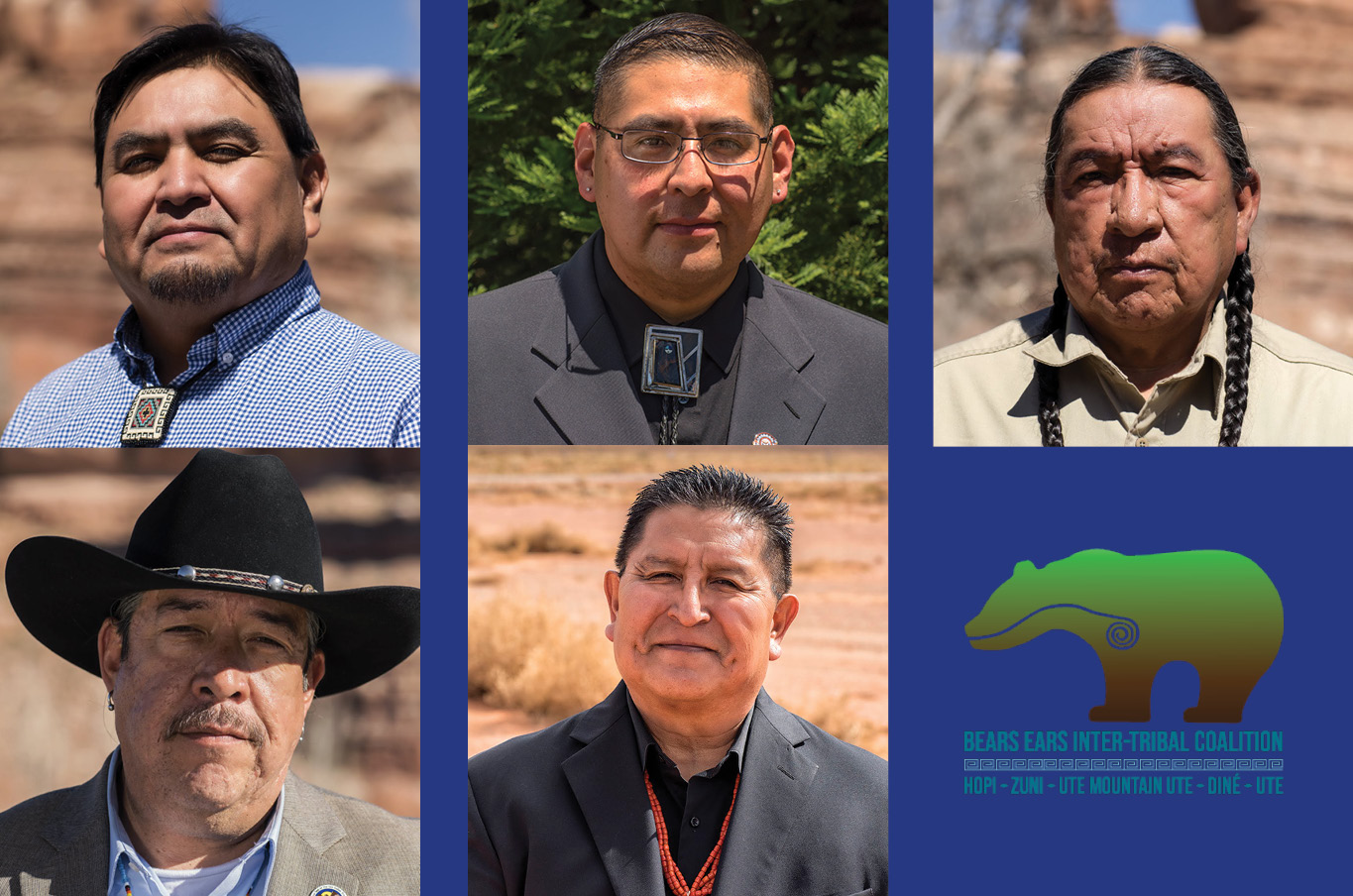
2019 Recipient
Bears Ears Inter-Tribal Coalition
James Aadaki, DINÉ
Carleton Bowekaty, ZUNI PUEBLO
Terry Knight, UTE MOUNTAIN UTE
Shaun Chapoose, UTE INDIAN TRIBE
Clark Tenakhongva , HOPI TRIBE
In July of 2015, leaders from the Hopi Tribe, Navajo Nation, Ute Mountain Ute Tribe , Pueblo of Zuni, and Ute Indian Tribe founded the Bears Ears Inter-Tribal Coalition. The Coalition represents a historic consortium of sovereign tribal nations united in the effort on multiple fronts to work collaboratively to protect and promote sacred, spiritual, historical, natural, scientific and cultural resources on lands within the Bears Ears landscape. The leaders of the Coalition have shown exceptional moral courage in their advocacy for an internationally significant cultural landscape in the face of extreme opposition, racial slurs, and difficult politics. Putting aside significant differences and past tensions between tribes, these elected representatives created a movement and set an example for indigenous leaders around the United States and the world.
These leaders successfully convinced President Obama to protect 1.35 million acres of their sacred homelands and now they continue to defend their ancestral lands from attacks by the current Administration. Importantly, they’ve done all this with an intentional focus on healing and incorporating Traditional Knowledge into public land management. While many moments would have tempted lesser people to respond with cynicism or despair, these leaders have taken the “high road” and remain committed to planning so that future generations may enjoy an ecologically resilient landscape of great cultural significance.
It’s worth noting that all the leaders of the Coalition manage many responsibilities (both political and cultural) within each of their communities that require huge time commitments beyond their involvement in Bears Ears advocacy. Despite this, these leaders have given nights, weekends, and vacations to be where they had to in order to stand up for sacred lands. Whether it be meeting with the Secretary of the Interior, testifying before Congress, meeting with grassroots organizations, or conducting ceremony with the next generation of Native leaders on the Bears Ears landscape, each one of the Coalition leaders have exhibited uncommon grace and courage in the face of adversity and serve as an example to us all.
2018 Recipient
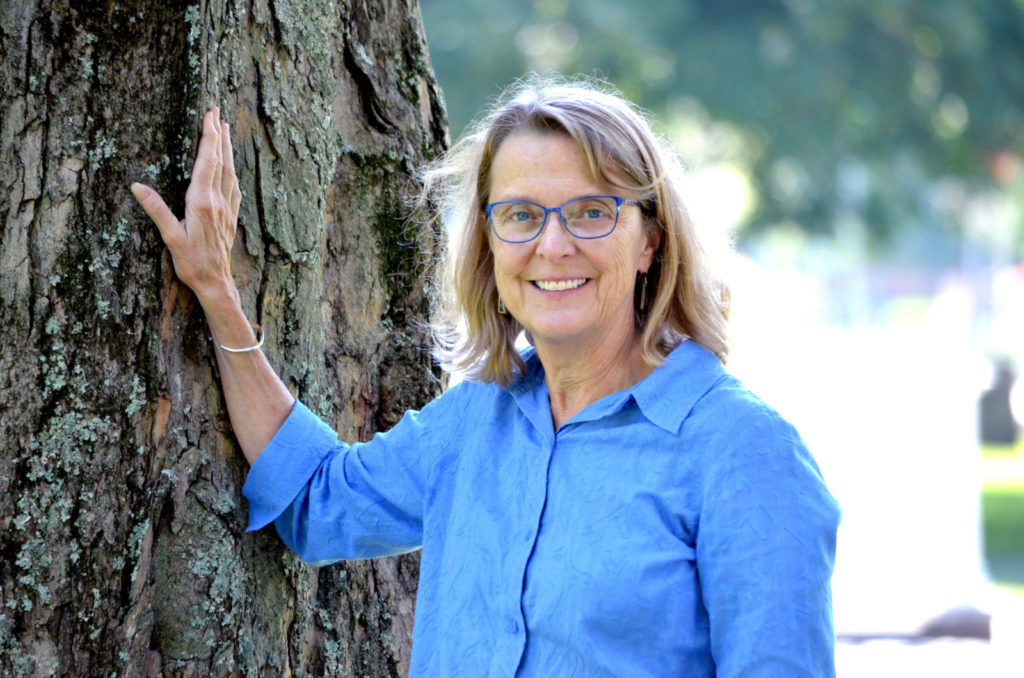
Jane Difley
President, Society For the Protection of New Hampshire Forests
Recognizing that land protection is only as strong as our willingness to defend it, Jane Difley demonstrated exemplary moral courage and leadership in defending New Hampshire landscapes against the development of the Northern Pass transmission line. Eight years ago, when Northern Pass first revealed its plan to despoil a 192-mile corridor from the Canadian border to Deerfield, New Hampshire, Jane declared that the Forest Society was “all in” and put the more than 100-year-old land conservation organization on the front lines.
Jane persisted in the face of monetary enticements and loss of support from certain facets of the business community. Her group was targeted with irate letters, phone calls and public declarations that the Forest Society should back down. Nonetheless, her team mobilized to enact strategies that included: conserving lands targeted by Northern Pass; mounting a legal challenge based on private property rights; spearheading the effort to pass state legislation preventing Northern Pass from gaining eminent domain access; educating every landowner in the 31-town corridor; placing staff at every state and federal public hearing; and mounting formal intervention at federal and state permitting processes.
One measure of a good leader is the caliber of their team. Not surprisingly, Jane gives credit to the guts, smarts and tenacity of her team at the Forest Society.
Alnoba Indigenous Leadership Award
2025 Recipient
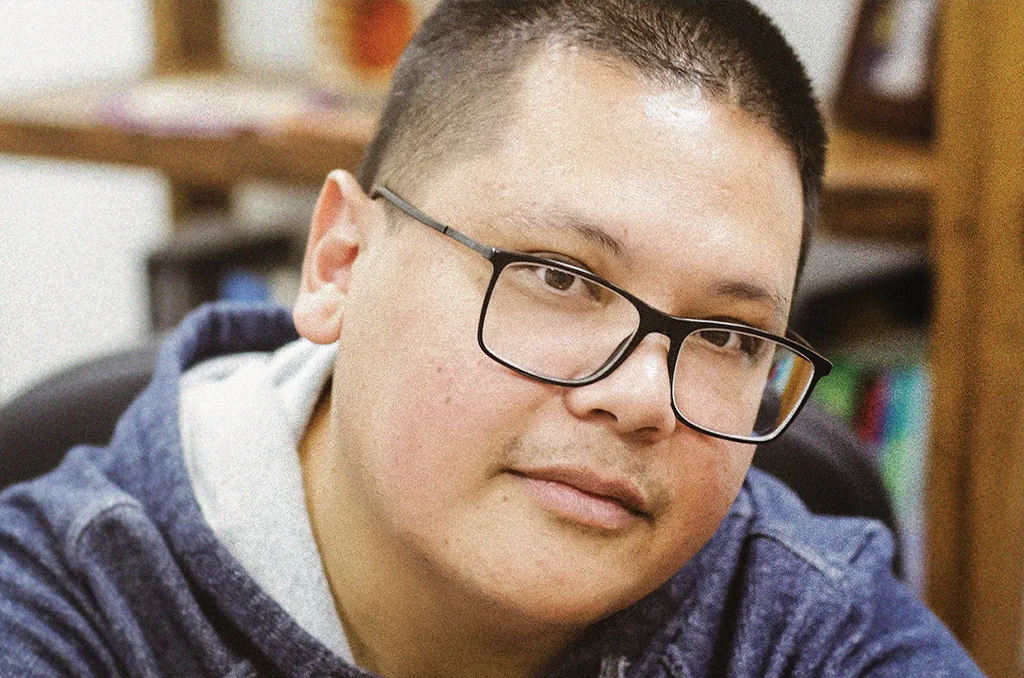
Julian Aguon
Founder, Blue Ocean Law
Julian Aguon went into law to be a voice for people on the front lines of climate change and injustice, including his own Chamorro community in Guam. Since there were no jobs to fit his desire to work at the intersection of human rights and environmental justice, he started his own law firm. Blue Ocean Law works throughout Oceania to maximize legal protections for Indigenous people trying to thrive on their ancestral lands.
“This is a spectacularly diverse, incredibly rich region of the world that is really underserved when it comes to lawyers paying attention to potential and real human rights violations,” he says. One of his firm’s first objectives was battling multinational corporations exploring deep-sea mining, which threatens to disrupt lifeways for Pacific Islanders and release methane buried in the seafloor. Aguon believes the industry would have taken off already if not for legal and activist opposition.
In one of its biggest cases, the firm is lead counsel for the Republic of Vanuatu, asking the International Court of Justice in the Hague to clarify what legal obligations all countries have to act on climate change. In March, the U.N. passed a resolution seeking an opinion from the court; as Aguon puts it, “The law suffers from severe limitations, but on occasion it can be magnificent.”
On July 23rd, the ICJ ruled unanimously in their favor. While this landmark judgement is non-binding, it is considered a major win for environmental justice and will impact how countries move forward. Here is an excerpt from Reuters and a NYT article.
The United Nations’ highest court has said that countries must meet their climate obligations – and that failing to do so could violate international law, potentially opening the door for affected nations to seek reparations in future legal cases.
Aguon is also a writer. His recent book, No Country for Eight-Spot Butterflies, explores his personal journey with loss, as well as themes of colonialism and climate justice. “Literature does something that the law cannot do,” he says. “We have to have at all times, one foot in the other world — the world we’re trying to hasten into being.”
In his article for The Atlantic, entitled “To Hell With Drowning’, Julain asserts, ‘For people living in Oceania, climate change is the fight of our lives, and we need more than science to win. We need stories.
‘In my corner, Micronesia, the facts are frightening. We are seeing a rate of sea-level rise two to three times the global average. Some scientists theorize that most of our low-lying coral-atoll nations may become uninhabitable as early as 2030.’
In this hauntingly beautiful work, he describes the heart-breaking relocation of the village of Vunidogoloa, Fiji and the innovative ways leaders of Fiji, the Marshall Islands, Guam, the Maldives, Tuvalu, Tokelau, Kiribati, and Papua New Guinea are preparing for relocation and how to preserve their culture and traditions on a different land.
He concludes – All this to say, if my corner of the Earth had an anthem, it’d be this: To hell with drowning.
2024 Recipient
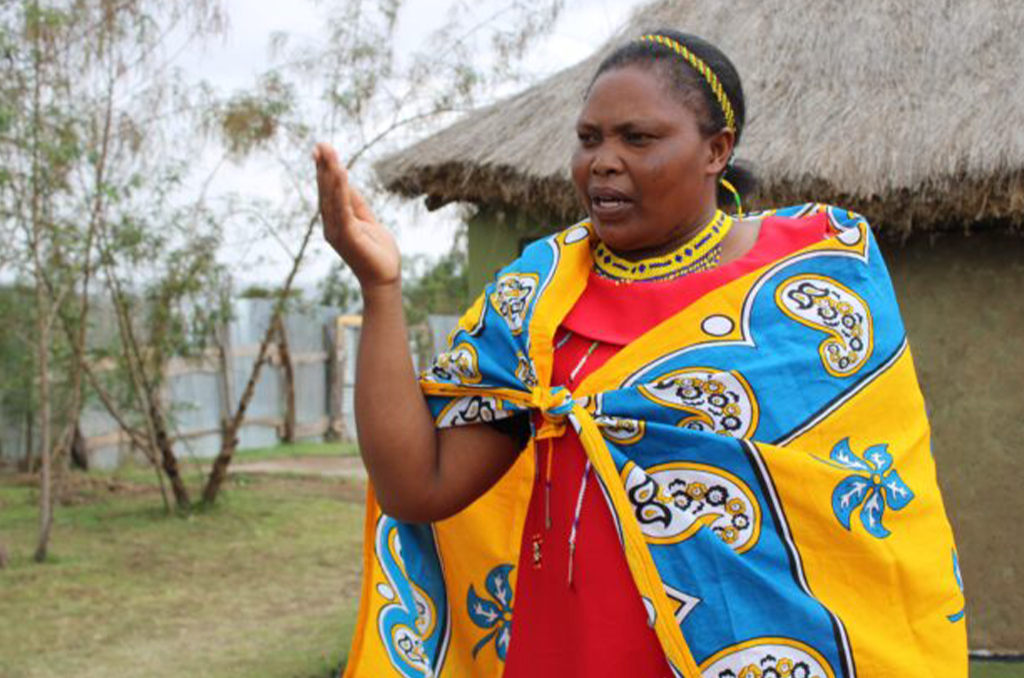
Naiyan Kiplagat
Co-Founder, Paran Women Group
Naiyan Kiplagat is a grassroot leader with more than 20years experience, who works on climate change adaptation and mitigation through her efforts around reforestation, energy efficient cook-stoves and training other Indigenous women to become climate defenders. She co-founded Paran Women Group, which is now a network of 3,000 women from 64 Indigenous women’s organizations from the Ogiek and Maasai Indigenous Peoples in Kenya.
Paran is in Ololunga, Narok south sub county in Narok County, a village that is inhabited by a population of approximately 60,000 residents.
The project focuses on improving water and food security, and includes establishing kitchen gardens, organic briquette making, native tree planting, beadwork, medicinal herb collection, and beekeeping to generate alternative income sources.
Reforestation is a key focus, and the collective has established nurseries in which they cultivate seeds of trees native to the forest that has been felled. They also grow legumes and vegetables, which they sell together with the trees ready for reforestation.
Paran’s goal is to plant more than 150,000 tree seedlings before 2030 with members trained in how to plant short season crops and conservation agriculture. According to Naiyan, “We have planted trees around our homes, in schools and everywhere we can. So far, we have rehabilitated more than 150,000hectares. The change has been magnificent, there are already women who have access to clean water, which has changed the lives of many people, as contaminated sources cause many diseases, especially among the children in our communities.”
Paran Women Group’s activities are carried out through patrols—groups of women that travel to different villages in Ololunga to givetalks on the importance of forest care and other environmentally friendly practices. They share this important information with their neighbors, so that they, in turn, can pass the knowledge on to other women.
Naiyan has received the Women’s World Summit Foundation (WWSF)Prize for Women’s Creativity in Rural Life for her leadership efforts and Paran won the top award in the non-technical solutions category at COP23.
2023 Recipient
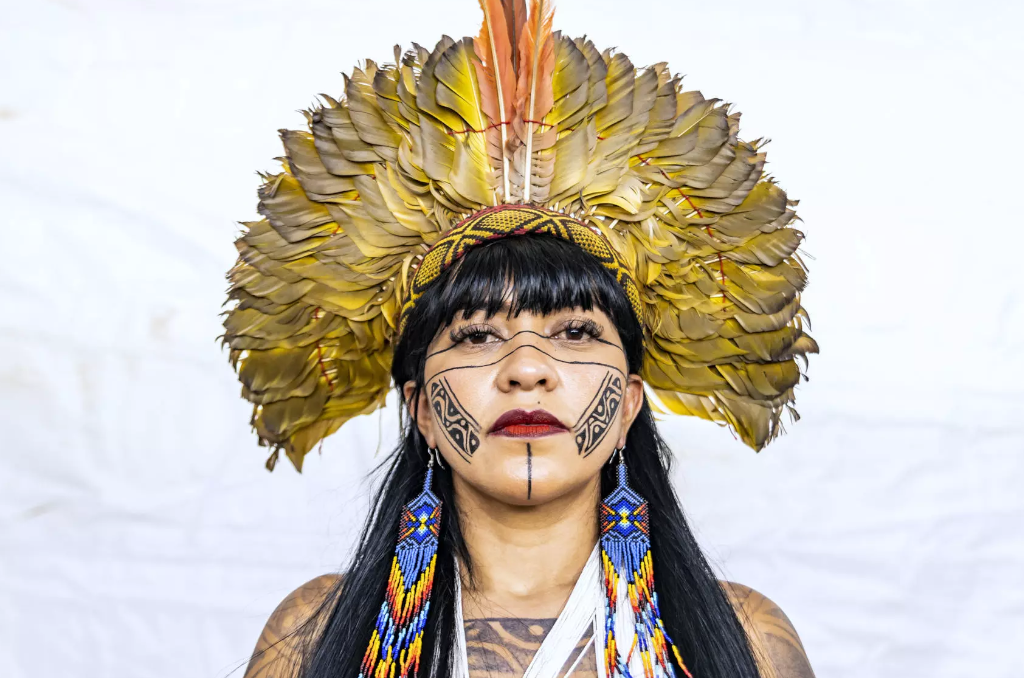
Célia Xakriabá
Indigenous Representative, Brazil Chamber of Deputies (Congress)
Célia Xakriabá is a teacher, poet, and activist from the Xakriabá people in the Cerrado biome of Brazil. She is one of the founders of the National Association of Ancestral Indigenous Women Warriors (ANMIGA) and a leading member of the Indigenous women’s movement in Brazil. She also helped to create the “Reforesting Minds” movement based on Indigenous ancestry and wisdom which advocates for a change in consciousness among the global public about planetary preservation.
Brazil’s territory contains 60% of the Amazon, of which 21% has been destroyed, an area three times greater than the United Kingdom. Today’s deforestation rate is pushing the Amazon to what scientists call a “point of no return,” beyond which the rainforest won’t be able to maintain its own climate and will turn into a dry savanna, emitting more planet-warming greenhouse gasses than it absorbs. This grim scenario is already playing out in heavily deforested parts of the Brazilian Amazon.
Since 2017, Xakriabá has spoken at various conferences and debates at universities in Brazil, promoting, among other things, advancing the status and rights of Indigenous women, land rights, education, and encouraging the revitalization of native languages in Brazil.
In 2015, Xakriabá became the first Indigenous person in the education department of Minas Gerais state. She held the position from 2015 to 2017. Xakriabá promotes an expansion of the inadequate educational system in Brazil to include teaching Indigenous history, land rights, and traditional knowledge that is shared collectively.
Her biggest dream is “to have the right to go back to sleep peacefully, because there are 523 years that Indigenous peoples don’t have the right to go back to sleep in the tranquility that they deserve,” referring to the more than half-millennium since the Portuguese conquest of South America in 1500.
2022 Recipient
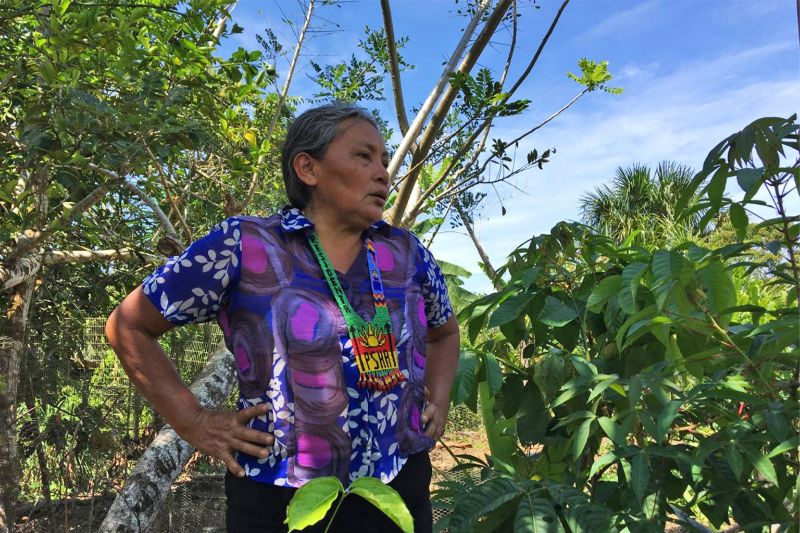
Josefina Tunki
President, Shuar People of Ecuador
Josefina Tunki lives and travels in the heart of the Cordillera del Condor from where thousands of tons of gold and copper are extracted. She is the first female president of the Shuar People in Ecuador. In recent years, she has become the Indigenous leader who is the face of the anti-mining struggle in her homeland.
She is unafraid and has confronted both the state and the mining companies. As is often the case for Indigenous leaders, she has been threatened and her community militarized in 2020. Read this article on Josefina in Mongabay News entitled “If We Have to Die in Defense of the Land, We Have to Die.”
She started as a bilingual teacher and left the profession to lead her people. Over her life, she has held many different leader positions in the following organizations: Women’s Federation of the Interprovincial Federation of Shuar Centers; Kanus Agroforestry Craft Association; and the Santiago Association; which is one of six organization that make up PSHA, an Indigenous organization that unites more than 12,000 people living in the Condor Mountains in southeastern Ecuador.
She was nominated by last year’s Moral Courage Award recipient, Patricia Gualinga, who writes, “Josefina Tunki is the first Shuar woman to hold the presidency and lead the People as a symbol of women’s strength in a culture where there has been no greater visibility or participation of Shuar women.
“I believe that Josefina is an ideal candidate for her great tenacity and her fight against large-scale mining, for her defense of nature and the collective rights of Indigenous Peoples, for her clarity and strength in a difficult context, for continuing to risk her life to defend rights. I believe that people like Josefina should be made visible to protect her life and integrity. This recognition could be a small balm in her hard fight and would be a way to continue positioning Indigenous leaders who defend life.”

2021 Recipient
Janene Yazzie
Founder, Sixth World Solutions
Janene Yazzie is a powerful Native community activist. She is co-founder and CEO of Sixth World Solutions, which works with Dine’ (Navajo) communities to promote sustainability, environmental justice, and self-governance. She co-founded the first Navajo Nation community-led watershed planning program to assert local control in the sustainable management, restoration, and protection of natural resources.
Janene will tell you she was born into this work and has built a career and life doing what she is most passionate about, “helping my people on frontline battle systemic injustice.” And a big piece of her work is to get clean water to her tribe.
The Navajo Nation is roughly 298,000 people and is the size of Connecticut, and 30-40% of households do not have running water. For many households, water is their largest expense. The pandemic, severe drought conditions and a legacy of contamination including lead, magnesium, arsenic and even uranium create a perfect storm of need.
Because of her tireless work to bring water to her people, Janene knew even before the first case of COVID was diagnosed that it would devastate her community and that remote and vulnerable members would not be served. As Janene puts it, “You can’t wash your hands with bad water.”
With other Native women they created an all-volunteer grassroots Indigenous-led group operating on the Navajo and Hopi Reservations, the Navajo & Hopi Families COVID-19 Relief, with Janene serving as the New Mexico lead.
Her work has earned international recognition. Janene is Sustainable Development Program Coordinator for the International Indian Treaty Council and the council’s representative as co-convenor of the Indigenous Peoples Major Group of the U.N. High-Level Political Forum on the 2030 Sustainable Development Goals.
2019 Recipient
Francinara Soares Martins Baré
Federation Coordinator, Coordinating Body of Indigenous Organizations from the Brazilian Amazon
In 2017, Francinara Soares Martins Baré (Nara Baré) of the Baré people of Brazil, took the lead of the Coordinating Body of Indigenous Organizations in the Brazilian Amazon (COIAB), one of the largest indigenous organizations in South America. She represents 75 organizations, 160 peoples, and more than 400,000 indigenous peoples in nine states. She leads at a critical point when indigenous peoples and the Amazon face immense threats, including the current government’s aggressive campaign to open the Amazon to exploitation.
Her work takes place in a dangerous environment, where indigenous peoples are menaced, persecuted, and killed. Nara ceaselessly advocates for the recognition and enforcement of the rights of indigenous peoples and highlighting the importance of indigenous peoples for the survival of the Amazon: “… if there are no more indigenous peoples in the Amazon, the Amazon will die with us.”
Nara Baré not only continues the challenging fight of indigenous peoples in problematic political times, but she is paving the way for indigenous women to meaningfully participate in this fight. By successfully leading an indigenous organization that is 80% male, Nara contributes to the rise and empowerment of indigenous women—not only in Brazil but in South America and beyond. She knows that indigenous women are vital to preserve the culture and traditional knowledge of their people and to educate future generations.
Gutsy Young Leader Award

2025 Recipient
Paige Balcom
Co-Founder & Co-CEO, Takataka Plastics
Paige has a deep passion to use engineering and entrepreneurship to create jobs and help improve people’s lives. Born and raised in New Hampshire and a graduate from the University of New Hampshire, Paige has been working in Northern Uganda since 2016, where she co-founded Takataka Plastics, (meaning “waste” in Swahili). Takataka is a social enterprise providing a recycling service that did not exist, creating income opportunities for the marginalized, and reducing environmental and health hazards in places where waste is currently burned or littered. In addition to her role as Co-CEO & Co-Founder at Takataka Plastics, Dr. Balcom is also a part-time lecturer and currently a Fulbright Scholar at Gulu University.
She is a lifelong engineer, beginning as an “Inventioneer” in middle school and later winning the 2010 FIRST LEGO League World Championship with her teammates. She earned a full academic scholarship to study mechanical engineering at the University of New Hampshire where she joined Engineers Without Borders, which led to the first of several life-changing trips to Uganda.
She holds a PHD in Mechanical Engineering from the University of California Berkeley. At UC Berkley she wanted to work on problems that were affecting her Ugandan friends, so she started researching plastic waste. She worked with Gulu University students, where she met Peter Okwoko who was working on plastic waste education through an organization he started called AfriGreen Sustain. Paige and Peter joined forces to form Takataka Plastics, and in January 2020 opened a small plastic collection center, hired three staff, built prototype machines, and received Takataka’s first order.
During the COVID-19 Pandemic, they repurposed their machines to make face shields for frontline workers. Takataka Plastics produced 20,000 face shields and distributed them across Uganda.
Today, Takataka Plastics manufactures a range of products from recycled plastic including wall tiles, re-usable slates and learning aids, coasters, phone stands, flower pots, and more.
Last year, thanks in part to Takataka’s work, Gulu was named the Cleanest City in Uganda by the National Environment and Management Authority. But Takataka can’t keep up with the increasing amounts of plastic waste, so they are building a full recycling center and plastic manufacturing campus in Gulu City to scale up operations and create more jobs.
In low-income countries, 93% of waste is burned or dumped (compared to only 2% in high-income countries). Uganda generates 600 tonnes of plastic waste daily, but only 6% is collected. The rest is burned or littered – creating severe public health and environmental problems.
Additionally, Uganda’s youth unemployment rate reaches up to 70% (when considering underemployment) and 42% live below the international poverty line. Gulu specifically is still recovering from the after-effects of the 20-year LRA war.
Takataka Plastics addresses the dual problems of plastic waste and unemployment through their local, circular recycling model and trauma-informed, healing workplace environment.
Takataka Plastic’s ground-breaking technology safely processes plastic waste to produce recycled PET tiles – the first company in Uganda to locally recycle PET plastic at scale. The tiles are beautiful, strong, and much more durable than the existing ceramic tiles. Takataka is changing people’s mindsets about plastic waste from untouchable, dirty “rubbish” to a potential resource, impacting their environment and creating opportunities for healing for trauma survivors.
Since 2020, Takataka has collected and prevented over 100 tonnes of plastic from entering the environment; educated more than 13 million people; prevented 224 tons of CO2E from entering the atmosphere; created 57 full-time jobs (47% for vulnerable youth); raised $2.6M through grants and sales; and trained over 2,500 primary and 100 university students.
Paige pitched on Shark Tank and has received several fellowships and awards including those from the National Science Foundation, Fulbright Program, USAID, the Institute of International Education, and the Lemelson-MIT Student Prize.
Paige continues to dream big with plans to expand Takataka Plastics to other regions of Uganda.

2024 Recipient
Monica Huertas
Executive Director, People’s Port Authority
Monica serves as executive director of the People’s Port Authority, a group of Providence, Rhode Island residents demanding community oversight over the heavily industrialized Port of Providence and relief from the disproportionate pollution and health burdens. She is a fierce advocate who fights to stop, make safe, or close toxic facilities and who fought for an air toxics study, which is now finally underway.
The mother of four’s passion lies in her work as a doula and recognizing that for her own kids – and the babies she delivers – to grow up healthy, she and her neighbors must take a stand against the industrial pollution fouling her community. After overcoming homelessness and other setbacks, Monica got her degree and she and her husband moved into Providence’s Washington Park neighborhood while she was pregnant with her fourth child. A few months after he was born, they discovered he had lead poisoning. It was a sucker punch after she did everything she was told to do – tested the house for lead, cleaned every corner, and repainted the walls. It hadn’t occurred to her nor was she advised to test the soil.
The People’s Port Authority officially started in 2020, at first to stop the construction of a liquefied natural gas facility in the Port of Providence. She quickly realized that the problem was bigger than gas.
According to Huertas, “We’re making sure we are at the meetings where the decisions are made. And we’re making sure that all the companies, corporations, and big conglomerates can’t do anything here without oversight and input from the community.”
In addition to supporting CLF’s work against Shell Oil, she and her group stopped the siting of a dump in the area and slowed down a Texas-based propane storage and wholesale company’s plan to add six 90,000-gallon LPG storage tanks to its Port of Providence footprint.
2023 Recipient
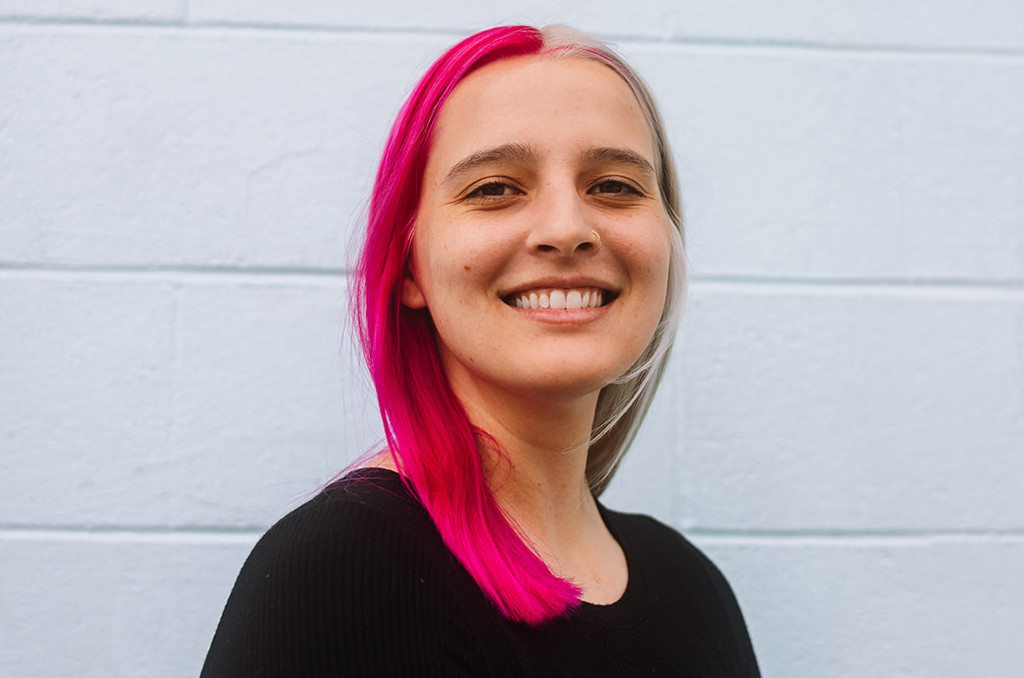
Franziska Trautmann
Co-founder and CEO, Glass Half Full
In 2020, Tulane University seniors Franziska Trautmann and Max Steitz were frustrated that the city of New Orleans did not have a glass recycling program. Their goal was not to reform the current system but to create their own glass recycling program, Glass Half Full, which converts trash glass into sand and glass cullet for coastal restoration, disaster relief, eco-construction and new glass products. It is still the only glass recycling program in Louisiana.
Born and raised in Louisiana, Franziska grew up hearing about the region’s coastal erosion crisis and experienced the lack of recycling options. At Tulane, she was recognized by the chemical engineering faculty for outstanding performance and inducted into the national engineering honors fraternity.
She was able to apply her chemical engineering knowledge to create Glass Half Full. The process starts when her team collects glass waste through their seven drop off locations across the city and their residential ($22/month), business and event (Mardi Gras!) collection service. Next, they sort by color and remove all plastic and metal components. The glass is pulverized by hammer-mill crushers at their own facility, creating sand products ranging from super soft, beach-like powder to chunky glass gravel.
Glass Half Full sells their product for a variety of applications from flooring to disaster relief sandbags to flood damage mitigation. One hundred percent of their proceeds go to support their operation.
Glass Half Full collected more than 1.5 million pounds of glass in 2022 and diverted more than 3.3 million pounds of glass waste since their start. They currently divert tens of thousands of pounds of glass from NOLA’s landfills every single week.
They partnered with the Pointe au Chien Indian Tribe to install glass gravel drains and a rain garden with native plants, deploying more than ten thousand pounds of recycled glass. In addition, they partnered with the Coalition to Restore Coastal Lousiana and U.S. Fish and Wildlife to repair a hurricane blowout zone at Big Brand Marsh National Wildlife Refuge using 20,000 pounds of recycled glass.
Franziska has only just begun and has set her sights on expanding their facility to process all glass in the state of Louisiana, as opposed to letting any of it end up in landfills. She hopes to expand their model to serve the entire Gulf South’s vast recycling demands and use the sand they produce to benefit the community and the environment.

2022 Recipient
Sam Evans-Brown
Director, Clean Energy NH
Sam leads Clean Energy New Hampshire in its effort to create a cleaner, more affordable, and more resilient energy system in the Granite State. Sam grew up in the Lakes Region of New Hampshire. Prior to joining Clean Energy New Hampshire in 2021 he was a nationally known podcast host and radio journalist for nearly ten years, during which he wrote stories about New England energy issues extensively and won several regional and national awards.
Clean Energy NH builds relationships among people and organizations using a fact-based approach that offers objective, balanced, and practical insights for transforming NH’s clean energy economy and sustaining its citizens’ way of life. They educate audiences on all matters pertaining to generating, storing, and efficiently using clean energy and to accelerate technology and opportunities that provide a more prosperous, eco-friendly future. Their unique Circuit Rider programs helps more rural town energy committees access state and federal funding. Their first Circuit Rider in the North Country has already garnered more than $1M to implement energy projects that reduce operating costs and improve sustainability. We are pleased to help expand that program to the Seacoast region under Sam’s leadership.
Calling Sam, ‘one of the state’s highest-profile eco-geeks’, read this article on Sam’s transition from journalist to leader of NH Clean Energy.
2019 Recipient
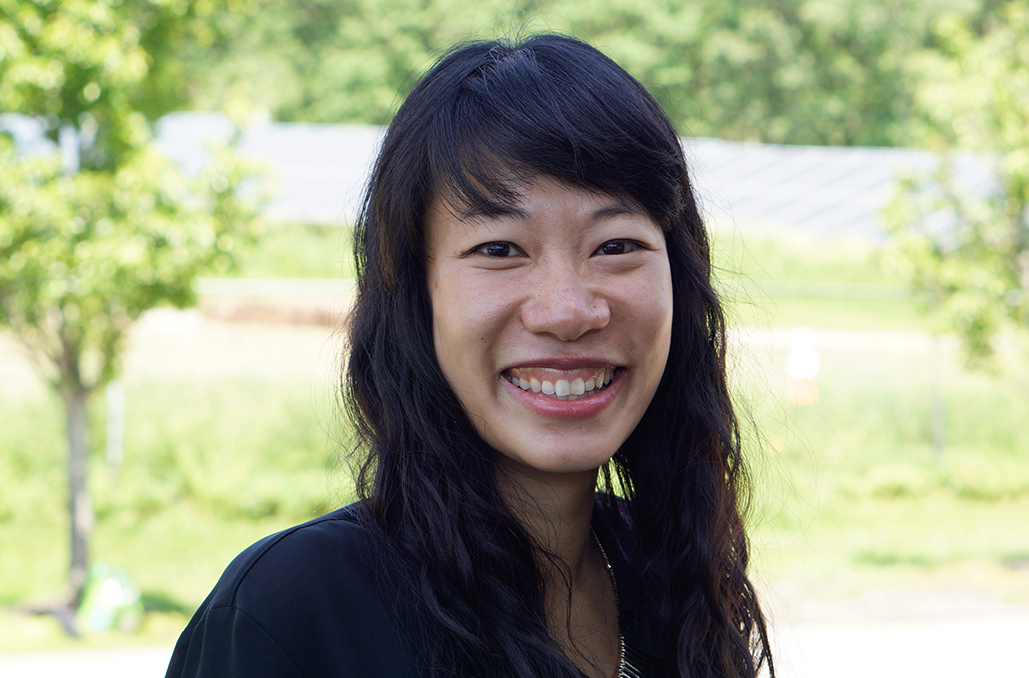
Stephanie Speirs
Co-Founder, Solstice
Steph is an entrepreneur and community builder with management experience in the Middle East, South Asia, and the United States.
Steph Speirs thinks about solar the way one might think about a community garden. Why go through the trouble of planting panels on your roof when you could instead plug into a shared neighborhood resource to access financial savings? She co-founded and runs Solstice, a social enterprise dedicated to radically expanding the number of American households who can take advantage of clean energy using community-shared solar farms.
Solstice’s financial and policy tools, including their unique EnergyScore underwriting metric, open scalable paths to inclusion for renters, low-credit households, and other Americans that have been left out of the clean energy transition. Their community organizing techniques and technology platform further make it easy for everyday Americans to access clean energy for the first time.
Steph is a Techstars alum and was selected as an Echoing Green Climate Fellow, a Global Good Fund Fellow, a Kia Revisionary, a Renewable Energy World 40 Under 40 in Solar, a Grist 50 Fixer, a GLG Social Impact Fellow, a Cordes Fellow, and an Acumen Global Fellow.
She previously led sales and marketing innovation initiatives in India at d.light, a solar products company powering areas without reliable electricity; spearheaded Acumen’s renewable energy impact investment strategy in Pakistan; developed Middle East policy as the youngest policy director at the White House National Security Council; and managed field operations in seven states for the first Obama presidential campaign.
She holds a B.A. from Yale, a Master in Public Affairs (MPA) with distinction from Princeton, and an MBA from MIT with a Certificate in Entrepreneurship and Innovation. She originally hails from Hawaii.

2018 Recipient
Alex Fried
Founder and Co Director, Post Landfill Action Network (PLAN)
Alex started with a seemingly simple question – how can we reuse ‘waste’ materials from dorm rooms from one year to the next? His answer was to found ‘Trash 2 Treasure’ when he was an undergraduate philosophy major and activist at the University of New Hampshire. He gathered volunteers, gained administration permission, organized operations, and created a financially sustainable model to establish drop-off locations for discarded TVs, fridges, furniture etc. from students heading home for the summer, and then hold a giant yard sale during move-in weekend for the incoming class. It was the first student led self-sustaining program of its kind in the country, and has collected over 200 tons of usable items since it was founded 8 years ago.
From there he launched PLAN (Post-Landfill Action Network) to support student leaders, share best practices and guide other campuses to launch and sustain student-led, Zero Waste projects. Their mission statement reads in part, “PLAN empowers our generation to be changemakers”. Today, PLAN works with and advises students and staff at over 250 campuses across the US and in 5 countries internationally.
For Alex and PLAN, this work goes beyond solving technical and logistical challenges to waste. They are focused on building a movement to challenge the linear consumption economy, address the most offending companies, and work in solidarity with environmental justice movement leaders. Through this work, PLAN has developed more than 100 international partners, including companies like Patagonia, Plastic Pollution Coalition, the PowerShift Network, and The Story of Stuff Project.
Considered a truly paradigm-shifting solution, PLAN is led by a passionate, resilient entrepreneur who has proven his ability to mobilize resources and inspire others. We will donate $10,000 in Alex’s name to PLAN to continue their good work.
CEO Environmental Leadership Award
2025 Recipient
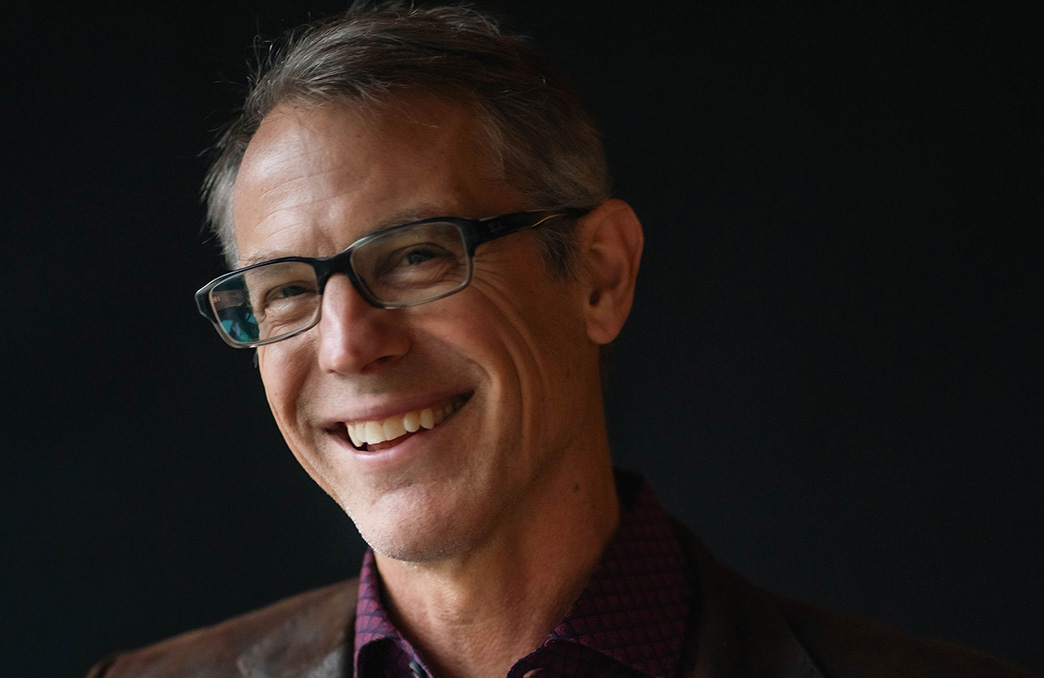
Robert King
President, A&D Hydro, Inc.
Bob is a self-professed ‘hydro fanatic’. He is also a professional engineer and president of a suite of clean energy companies based in Keene, New Hampshire. King develops small-scale hydroelectric, solar, and energy storage projects and has spent more than three decades reviving derelict dams and lovingly restoring them back to life before reselling them. Currently, he owns three in New Hampshire and Massachusetts. Together, his dams produce about four megawatts of electricity, enough energy to power roughly 3,000 homes.
King’s love of hydropower started at age 11 when he came across an abandoned hydroelectric plant during a hike. He was fascinated with the simplicity, efficiency, and craftsmanship of it. When he was 27, he found one to restore in Thompson, Ct. Embodying Yankee ingenuity and frugality, King scoured junkyards for discarded turbines and generators, which he could transplant and relied on scores of friends who spent weekends helping him rebuild.
His work in renewable energy also includes co-authoring New Hampshire’s first group net metering law, serving as long time Chair of the NH Advisory Board of the Conservation Law Foundation where he is now a Trustee, serving as President of the Granite State Hydropower Association, and lecturing on environmentally responsible development and small business leadership at Keene State College, Franklin Pierce University, Northeastern, MIT, and the American Society of Mechanical Engineers among others.
Bob and his wife Annie Faulkner live in Keene, New Hampshire, where one of their favorite pastimes is ‘venture conservation’, i.e. protecting land (both managed and forever wild) in a manner that perpetuates itself through creative financing and ownership models. They were deeply involved in helping The Nature Conservancy acquire the 1,300-acre Otter Brook Preserve in Sullivan and worked with the Monadnock Conservancy to purchase and conserve several parcels of land in the California Brook Natural Area, which is the largest remaining unfragmented forest block in southern New Hampshire.
In late July they purchased 7,150 acres of land in Shelburne and the unincorporated place of Success. King fell in love with the area after hiking through the trails with his brother-in-law.
According to Sally Manikan, New Hampshire and Vermont director for the Conservation Fund, “These lands are a big deal. They are part of the land base and wood basket for the timber industry, including high-elevation spruce fir forests and headwaters for the Austin and Larry Brooks, and are beloved locally for so many year-round recreational uses: hunting, hiking, skiing, to name a few. The lands are an extraordinary example of why working timberlands are so vital to the local community.”
Bob and Annie state that they intend to continue to harvest wood, keep the trails open, make improvements, and eventually put a conservation easement on the tract.
A recent PBS documentary, The Power of Water, follows Bob’s work as a clean energy entrepreneur. Along the way, this engaging film explores the history of hydropower in New England, the ongoing transition away from dirty fossil energy, the importance of land conservation, and how we all can be part of the solution as we face these challenges together. In June 2025, The Power of Water received an Emmy Award for best new Environment/Science film in New England.
Being part of the solution deeply resonates with Bob, who in an interview with Conservation Law Foundation states, I want to show people that an individual or a few people can make a difference in the face of climate and biodiversity crises. You don’t have to wait for governments and huge companies to make a difference (as much as they need to). You can make a difference. I want to try to inspire people that individuals can do something, whatever it may be, to respond to and act on these massive existential crises, and above all, to not lose hope.

2024 Recipient
Jameson French
CEO, Northland Forest Products
Jamey’s focus is to find pragmatic solutions to contentious forest use issues that bring the forest products industry and the environmental community to common ground. Breaking away from forest products industry tradition, he was one of a small group of industry leaders who embraced the concept of forest certification. He is the immediate past Chair of the American Forest Foundation, which manages the American Tree Farm system—helping private landowners to be effective stewards of America’s forests. AFF also runs the Family Forest Carbon Program which enables family forest owners to access climate finance from carbon markets—empowering them to help address climate change while earning income from their land. He is also the past Chair of the Land Trust Alliance and of the Society for the Protection of NH Forests, as well as several other national forest industry and conservation organizations.
Jamey was instrumental in the formation of a national initiative for the Forest Stewardship Council (FSC) in the U.S. and went on to be elected to the FSC-US Board for three years, serving as the first chairman from the economic sector. When he was Chariman of the Hardwood Federation, Jamey lead the building of a coalition of NGOs and trade associations that supported the Lacey Act amendment to stop of the flow of illegal wood products into the United States.
His company, Northland Forest Products is a hardwood lumber processor and distributor, headquartered in Kingston, NH, produces their own exclusive brand of hardwood lumber for markets in the United States and 26 countries around the world. Since 1996, Northland Forest Products, has been a chain-of-custody certified to Forest Stewardship Council® (FSC®) standards.
The French family has been in the hardwood industry in New England since the 1880’s, and as a fourth-generation lumberman, the forest industry’s interests and perspectives run deep in Jamey. Land Stewardship is a family tradition, and Meadowsend Timberlands, LLP (MTL), of which Jamey was a Director, is now in the able hands of the 3rd generation. MTL actively manages both family-owned and other lands in NH, VT and ME using sustainable forestry management practices.
Reflecting on his early endorsement of certification, Jamey notes, “My peers and even my friends in the industry thought I was crazy. I was even publicly accused of being a communist! According to some, FSC was an international conspiracy to stop harvesting of wood. All of us in the industry who got involved at that time got very much criticized for working closely with the environmentalists.”
Now much of the American hardwood industry realizes that the “green credentials” of sustainably managed North American hardwood are a great selling point in the global marketplace. French continues to work hard to keep the environmental and forest communities at the same table whenever possible.

2023 Recipient
Briana Warner
CEO, Atlantic Sea Farms
Atlantic Sea Farms was founded in 2009 as a way to offer fresh, healthy alternatives to imported seaweed, diversify income for fisher families and grow kelp as a climate adaption strategy. At that time, 98% of seaweed was imported, mostly from Asia where there is little-to-no environmental regulations.
In 2018, Briana Warner took over as chief executive officer and transformed the company from the first commercially viable seaweed farm in the country to a kelp aquaculture company that is winning food industry awards and increasing consumer knowledge of kelp as a climate-positive ingredient, as well as supporting Maine’s working waterfront. Products include jars of seaweed salad and kelp kimchi, frozen cubes of kelp for smoothies, and ready-cut frozen kelp.
Briana believes good food should do good, so she made the shift at Atlantic Sea Farms from growing their own kelp to partnerships with Maine fishers because she felt they knew the waters better than anyone and have the necessary equipment. In addition, the change would allow her team to focus on a move to retail product line and marketing.
Last year, Atlantic Sea Farms harvested just under one million pounds of kelp—their largest harvest ever—with plans to increase production this year. Compare that to 40,000 pounds in 2019. Atlantic Sea Farms produces 80% of US-grown seaweed. The company employs 16 direct employees and works with 30 small fish-farmer family businesses.
Briana started her career as a diplomat in the United States Foreign Service including service in Guinea for the country’s first democratic election. After moving to Maine, she founded Maine Pie Line, a beloved Portland bakery that employed newly settled refugees. After selling the pie business, she joined the Island Institute where he helped fishers diversify into different forms of aquaculture.
In addition to receiving the 2023 Alnoba CEO Environmental Leadership Award, Briana and the Atlantic Sea Farm team has been recognized with the Fast Company’s Brands that Matter Award as well as the Governor’s Award for Business Excellence, a Heritage Industry Award and a NEXTY Award for Best New Product Supporting a Plant Based Lifestyle
2022 Recipient
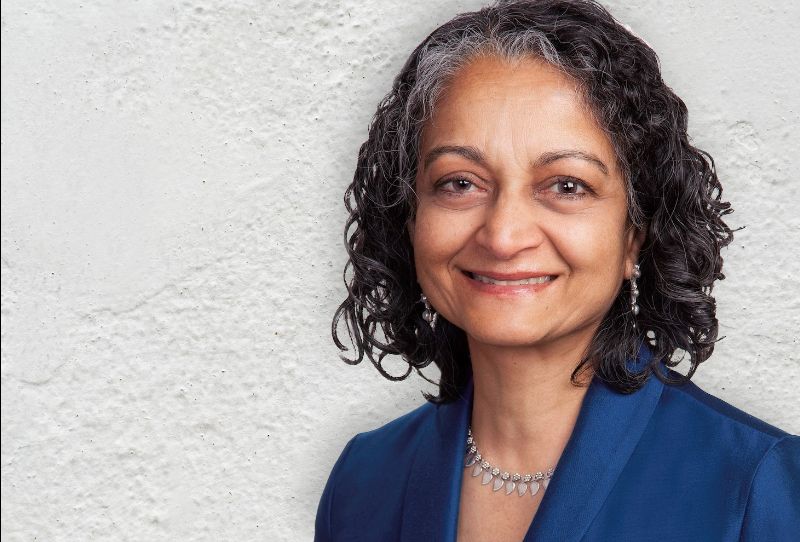
Geeta Aiyer
Founder and CEO, Boston Common Asset Management
Geeta Aiyer combines over 30 years of experience in finance, with passion for environmental and social justice. Under her leadership, Boston Common has built a strong investment record, and meaningfully improved the policies and practices of portfolio companies through impactful, proactive Shareowner Engagement. The firm is a “Best for the World” honoree within the global B Corp community. Here is a recent article in GreenBiz, featuring Geeta as one of “25 more badass women shaping climate action.
The mission of Boston Common Asset Management is ‘Activate investor capital toward solutions for people and planet’. It is a majority women founded owned and led investment firm that has been recognized as a pioneer in the Environmental, Social, and Governance investment field with a long history of investing in companies that are accelerating the transition to a low carbon economy including companies focusing on renewable energy, climate mitigation and adaption, more efficient processes, and circular economics. BCAM fully divested from fossil fuels in 2019.
BCAM became 1st asset manager to join the Partnership for Carbon Accounting Financials and helped develop global carbon accounting standards. In 2015 BCAM began measuring and reporting its portfolios’ carbon footprint. Also joined the Net Zero Asset Managers initiative alongside 73 global asset managers representing $32 trillion in AUM and commits to aligning their investments to net zero by 2050.
Her 5 year flagship initiative, Banking on a Low Carbon Future, underpins need for the financial sector to step up on climate, and has engaged nearly 60 global banks on climate risks and opportunities. She is co-founder and board chair of DAWN (Direct Action for Women Now), a global nonprofit with a mission to end gender-based violence and advance gender equality through education and collaboration.
2021 Recipients
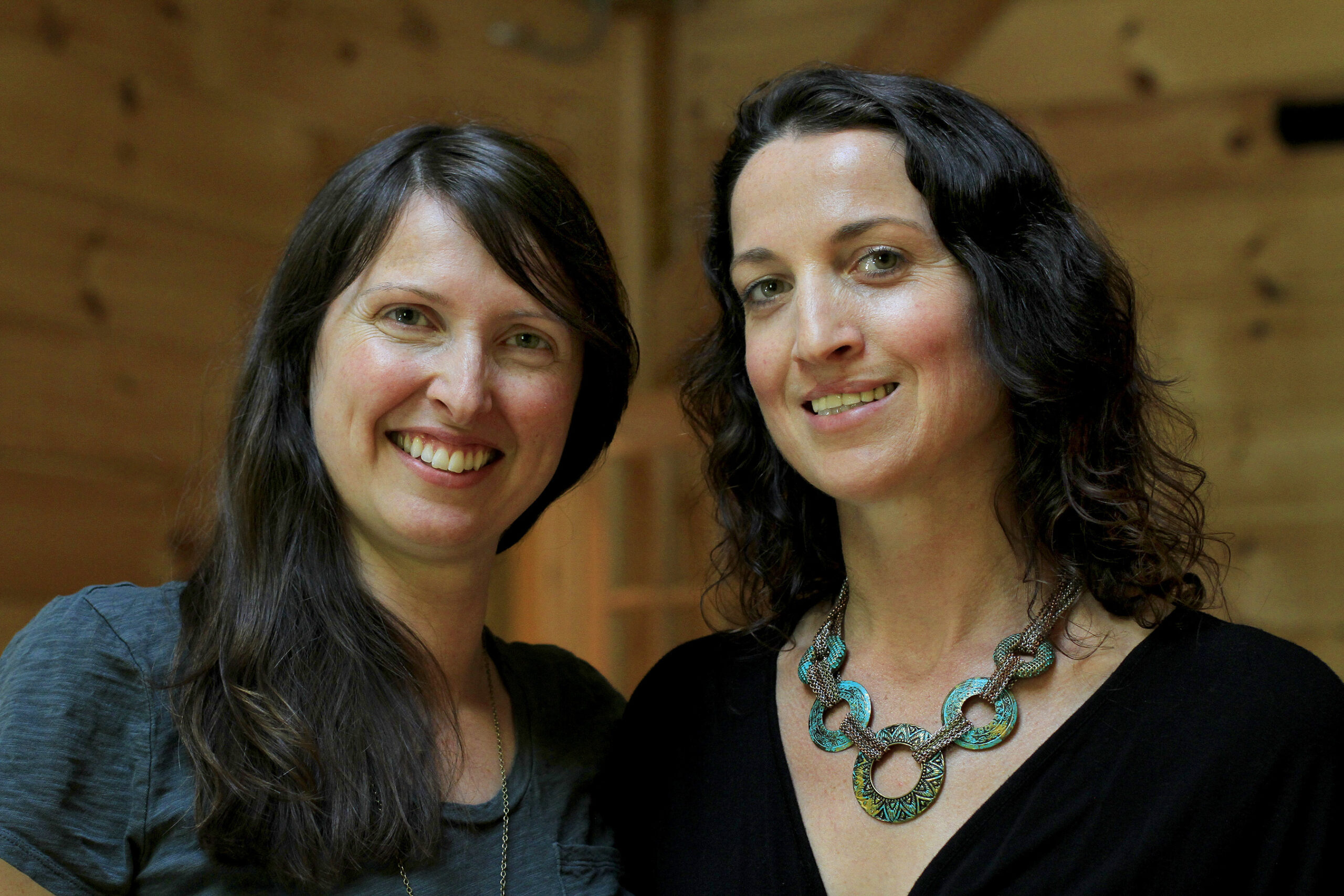
Rebecca Hamilton & Emily Schwerin-Whyte
Co-CEOs, W.S. Badger & Company
Rebecca and Emily are 2nd generation owners/CEOs and daughters of founder, Bill Whyte. The two worked along side their father guiding operations and strategic planning before taking on their roles as CEO’s in 2018. They believe that the company’s impact on the environment and communities is a critical measurement of their success.
W.S. Badger & Co. makes over 100 organic and natural products in environmentally friendly manufacturing facilities that are sold in 20 countries. In the last year they’ve installed enough solar panels to offset 150% of their operating demand. They have also incorporated sustainability initiatives such as water reduction and plastic free packaging for all of their products. We are truly inspired by their example on how to successfully drive an organization forward while being environmentally and socially responsible.
Rebecca and Emily are long-time advocates of ethical business and social justice policies around climate change and fair minimum wage. Together they actively lobbied for state’s public benefit corporation legislation; Safe Cosmetics legislation, which is currently unregulated.
2019 Recipient
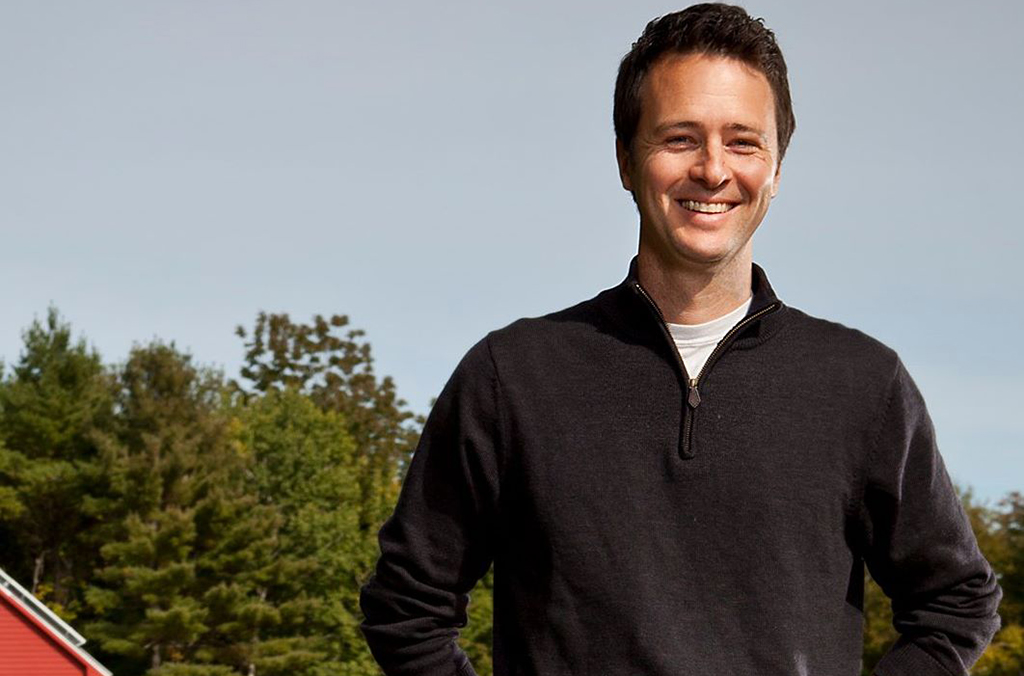
Matthew O’Malia
Founder/GO LOGIC, OPAL, AND GO LAB
When you look for heroes, you should always look in your own backyard. When we saw Matt’s nomination come through it made perfect sense to us to honor someone who blazed the trail in New England for Passive House design and who is now redefining the sustainable design industry.
In 2013, we gave Matt a seemingly impossible task—transform a set of New England meeting house timber frames into a Passive House standard building. Calm and unfazed, Matt set about to design Alnoba to be the first Passive House standard building of its kind in the northeast, which uses 75–90% less energy and blends 19th century craftsmanship with 21st century green technology.
An award-winning architect, he became a leader in Passive House design in the U.S. and speaks internationally on sustainable design. He cofounded GO Logic, a design/build firm that is focused on developing a practical, cost-effective approach to meeting the ultra-high-performance Passive House standard, which uses 90% less energy in space heating when compared to traditional buildings. Their first project, the GO Home, became the first certified Passive House building in Maine. Next, he went on to found GO Home, which provides predesigned, prefabricated homes for New Englanders, and use 90% less energy. This spring he launched OPAL, an architecture firm that is focused on creating the next generation of large-scale Passive House, carbon-positive buildings.
Believing a “well-insulated home can change the world,” Matt launched his latest venture, GO Lab, which will help transform the forest products economy by creating a manufacturing facility in a former paper mill in Madison, Maine. It will turn daily shipments of wood chips from Maine’s lumberyards into affordable, sustainable insulation and create good-paying jobs.
Knowing that buildings produce 44% of carbon emissions, GO Lab believes that “the survival of the planet is at risk unless critical industries change the way they do business.”
Matt has spent his career rethinking every detail of building construction, with an eye toward high performance, quality, and sustainability. He is an architect, entrepreneur, and visionary leader.
2018 Recipient
Leadership Team
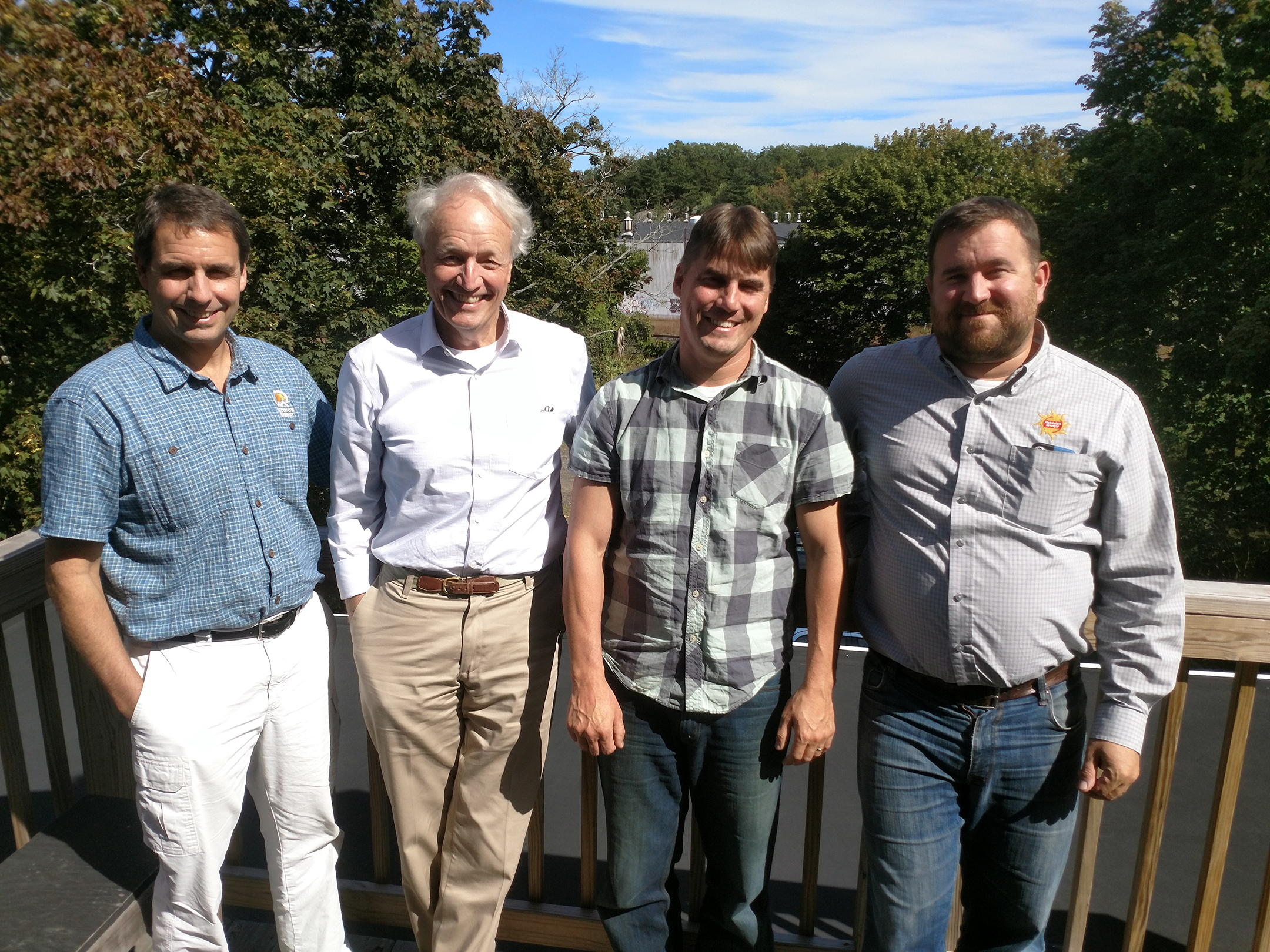
Revision Energy
Phil Coupe
Bill Behrens
Fortunat Mueller
Dan Clapp
As a certified B Corp, ReVision stands out as the #1 renewable energy company in northern New England for building a cohesive workplace of employee owners, for their advocacy on climate policy and education, for their philanthropy and community-building efforts, and finally for developing innovative financial models to solarize nonprofits.
ReVision has more than 260 employee-owners and is ranked the #1 rooftop solar installer in New England and #5 in the nation by Solar Power Industry Magazine. Four of ReVision’s five offices run almost entirely without fossil fuels. Their vehicle fleet consists of plug-in electric cars, hybrids and trucks that run on biodiesel, and they provide incentives for employees to reduce their own carbon footprints.
ReVision spearheaded the “Power on Puerto Rico” initiative to design, build and ship off-grid emergency portable solar power units to remote communities in Puerto Rico after Hurricane Maria. They also donate equipment and labor to help local nonprofits go solar, like the Crossroads House shelter in Portsmouth, Habitat for Humanity, and several public schools in Maine and New Hampshire.
Perhaps their most innovative program is their new investment fund called ReVision Solar Impact Partners, which aligns impact investors and tax equity financing with cashstrapped nonprofits, to enable them to acquire solar energy to increase their long-term economic and environmental sustainability. Their boundless energy, technical competence and unwavering optimism charges all our batteries!
Moment of Truth Award

2025 Recipient
Nashira Baril
Founder & Executive Director, Neighborhood Birth Center
Daughter and granddaughter of midwives, Nashira Baril has long championed reproductive justice.. With no community-based birth centers in Boston, Nashira set out to start one. With the purchase of a Roxbury property, Nashira and her team are getting ready to open the Neighborhood Birth Center in 2026.
Baril brings a master’s degree in Maternal and Child Health from Boston University School of Public Health and nearly 20 years of experience designing and implementing public health strategies to advance racial equity to this project. She has worked at the Boston Public Health Commission, Harvard T. H. Chan School of Public Health, and most recently, Human Impact Partners.
According to her, “We have to flip the frame and remember what our ancestors have known forever, which is how to catch babies—and do it well.”
Massachusetts ranks 32nd in the country on midwifery integration and lags significantly behind other states in access to community birth centers. Of the 400 birth centers in the US, there is only one in Massachusetts. Right now, 99% of births in Massachusetts happen in the hospital, even though most could happen safely outside the hospital with midwives. A shift of just 10% of births from hospitals to birth centers would save $1.9 billion annually.
Birth center care results in:
- Fewer infant emergency department visits and hospitalizations
- Lower rates of c-section
- Higher rates of spontaneous vaginal delivery
- Lower rates of preterm birth
- Lower rates of babies born low birth weight
- Higher rates of initiated and sustained breast/chest feeding
In 2021, Nashira and her team signed a transfer agreement with the Boston Medical Center, purchased 14 Winthrop Street, a residential parcel in Roxbury located just 6 minutes from the hospital in a collective purchase with Resist, Movement Sustainability Commons, Sisters Unchained, Matahari Women Workers’ Circle, and the Center for Economic Democracy, creating the Community Movement Commons, a portal to a just and sustainable future anchored by the birth center.
Baril has raised more than $3M and plans to open a 5000 sq/ft four-suite spa-like space in 2027. The birth center’s financial model serves at least 60% of folks who are on Medicaid. When the doors of the Neighborhood Birth Center open, the decades-old dream of Boston area midwives will be realized, and they will begin to offer people in the area a safe, dignified, home-like space for full scope reproductive care.

2024 Recipient
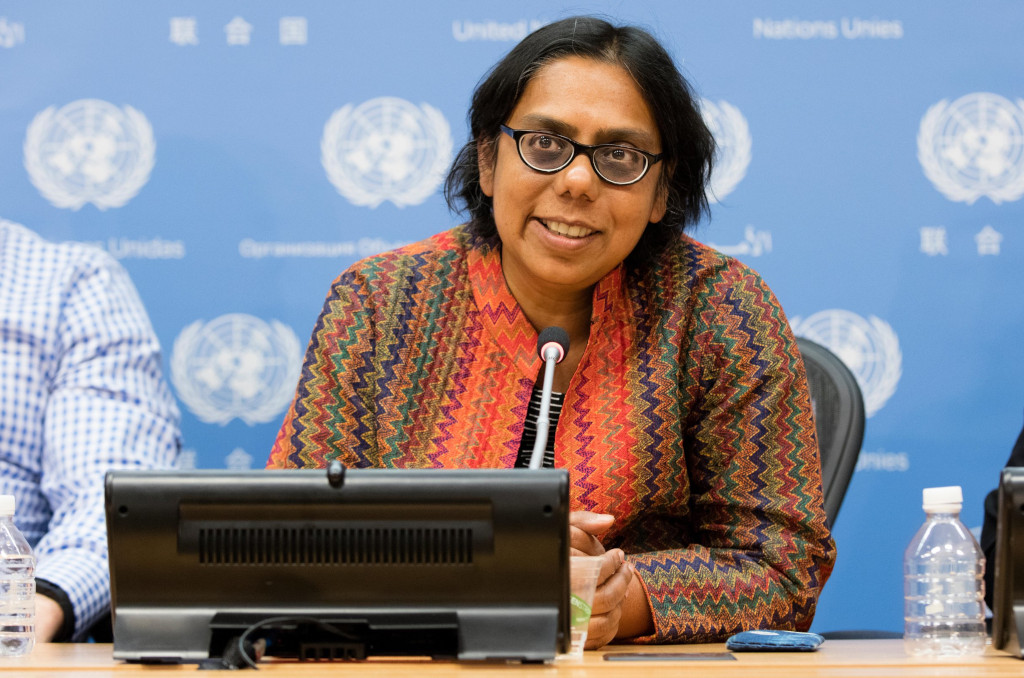
Maryam Montague
CEO, Project Soar
Maryam Montague is trying to stop child marriage of teen girls in Morocco and Syria,as well as advance menstrual rights using a new menstrual solution she and her colleagues developed called the Soar Hurya.
In 2013, she created Project Soar in Morocco and later added sites in Syria and Uganda. Project Soar envisions a world where every marginalized teen girl knows her value, voice, body, rights and path – and seeks to empower teen girls to be the leaders of today and tomorrow. They provide empowerment coaching through a 25 workshop curriculum based on neuro-science, sustainable menstrual health kits, and advocacy training on teen girl issues. It’s free for the girls, but to take part, they must pledge to stay in school.
Prior to founding Project Soar, Montague had a 25-year career as a humanitarian aid worker, including stints at the National Democratic Institute, an international nonprofit group. She worked on training women to run for office and prisoner rights among other issues.
The non-profit program started at Montague’s boutique hotel, Peacock Pavilions, that she and her husband built on an eight-acre olive grove on the outskirts of Marrakech, with the mission statement, Be Good, Make Good, Do Good.
Their replicable, scalable model has allowed Project Soar to scale to 138+ chapters nationwide in Morocco and was successfully piloted in five sites in Uganda and four sites in Northwest Syria. To date, Project Soar has provided 24,925 hours of empowerment. With an active network of 6,338+ Soar Girls, Project Soar is growing the teen girl movement. Their results are impressive.
- 100% of Soar girls plan to go to the next grade level
- 89% passed the school year
- Less than 1% became child brides
Michelle Obama visited in 2016 during the filming of her CNN film, “We Will Rise’ as part of her Let Girls Learn Initiative. Girls and facilitators also were invited to the White House
2023 Recipient
Ruchira Gupta
Founder, APNE AAP Women Worldwide
For more than three decades, Ruchira Gupta has campaigned for a world where no girl or woman is bought or sold. Along with 22 courageous women in prostitution, she founded APNE AAP Women Worldwide, which is a grassroots Indian organization that empowers marginalized girls and women to resist and end sex trafficking. To date, she has helped more than 20,000 women and girls escape prostitution.
Ever since childhood, Ruchira wanted to be a storyteller just like her father. She especially wanted to write stories about girls who fix problems and so became a journalist. While on assignment in Nepal, she stumbled upon rows of villages with missing girls and asked the villagers where all the girls were. That question changed her life. She learned that little girls as young as twelve were smuggled across the border and sold into brothels in India. She related the story in a documentary, The Selling of Innocents, and won an Emmy for Outstanding Investigative Journalism.
As a journalist, she had covered famine and conflict, but had never witnessed such intimate violence and on this scale. Wanting to do more, she quit journalism and started APNE APP inside the red-light areas of India and began to work with the United Nations all over the world.
APNE AAP has two-pronged approach:
1. Reduce supply by increasing the choices before the weakest and most marginalized girls and women from red-light areas, including those trapped in intergenerational prostitution, and lower-caste communities and
2. Reduce demand by deterring the purchase of sex through policy and social change.
I Kick and I Fly is her debut fiction novel based on the true stories that she witnessed and experienced as an activist in APNE AAP. She has been given the French Ordre National du Mérite, Clinton Global Citizen Award, and the UN NGO CSW Woman of Distinction award among other honors for her contribution to the establishment of the UN Trafficking Fund for Survivors, the passage of the US Trafficking Victims Protection Act and her grassroots activism with APNE AAP. She has co-written a book with Gloria Steinem, As if Women Matter, and edited two anthologies, River of Flesh and Renu’s Letters to Birju Babu.

2022 Recipient
Loretta J. Ross
Activist, Public Intellectual and Professor
Loretta’s activism began at 16 when she was tear-gassed at a demonstration as a first-year student at Howard University in 1970. She was one of the first African American women to direct a rape crisis center in the 1970’s, where she used her own story of sexual assault to facilitate a conversation with incarcerated rapists, teaching them Black feminist theory.
As part of a 50-year history in social justice activism, she was the national coordinator of the SisterSong Women of Color Reproductive Justice Collective from 2005–2012, and co-created the theory of Reproductive Justice in 1994.
Ross’s mentor, the legendary C.T. Vivian, told her when she started her job, “When you ask people to give up hate, you have to be there for them when they do.” And so she was. She monitored hate crimes, accompanied Floyd Cochran, national spokesman for Aryan Nation, on his atonement tour and taught anti racism to some whose families were members of the KKK.
Ross was national co-director of the April 25, 2004 March for Women’s Lives in Washington D.C., the largest protest march in U.S. history at that time with 1.15 million participants. She founded the National Center for Human Rights Education (NCHRE) in Atlanta from 1996–2004. Before that, she was the program research director at the Center for Democratic Renewal/National Anti-Klan Network, where she led projects researching hate groups and working against all forms of bigotry with universities, schools and community groups.
She launched the Women of Color Program for the National Organization for Women (NOW) in the 1980s and was national program director of the National Black Women’s Health Project.
Here is an article in New York Times, “What if Instead of Calling People Out, We Called Them In?” on Professor Ross’s latest work to stop shaming, bullying and calling out to heal our divide.
2021 Recipient
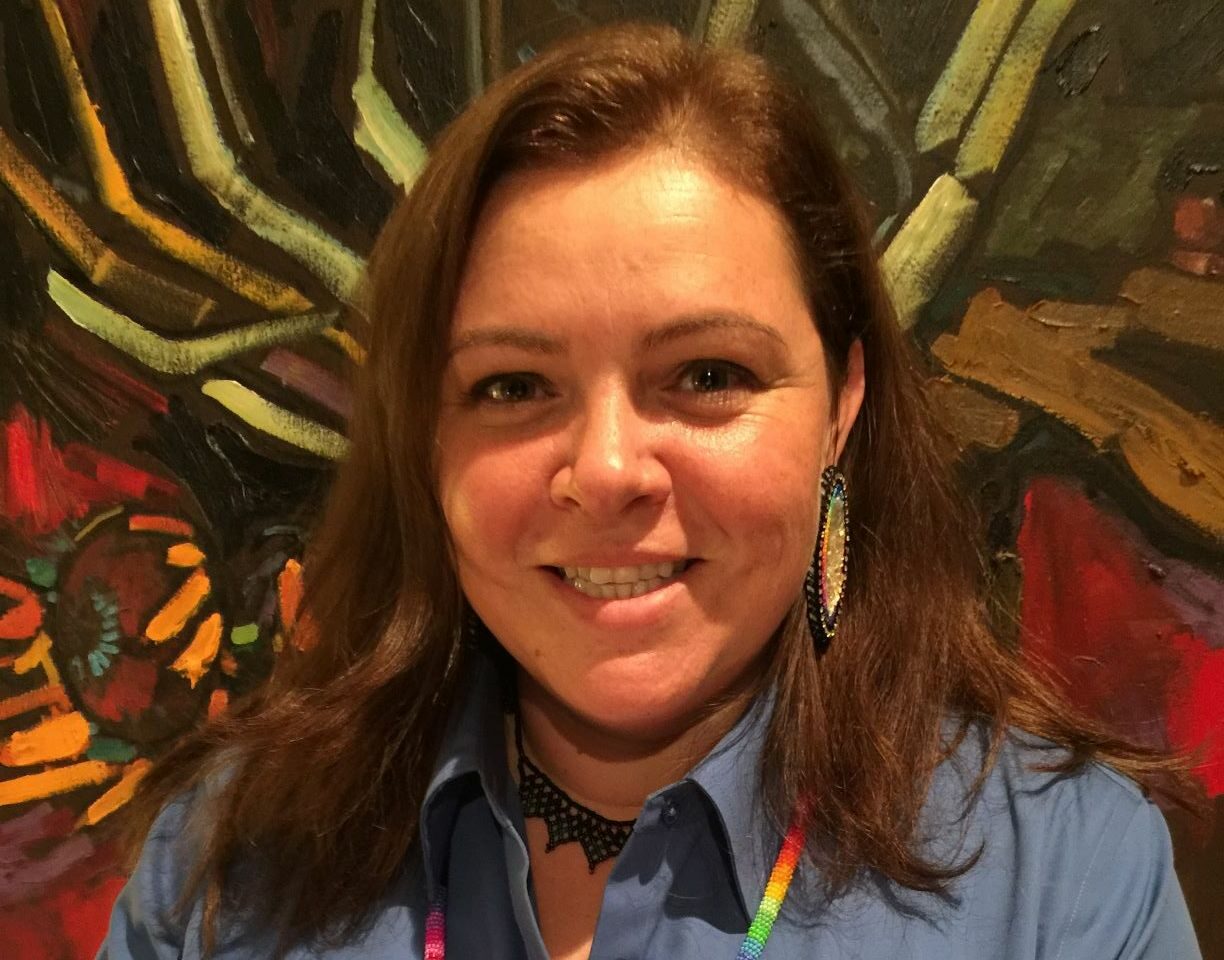
Christa Big Canoe
Legal Advocacy Director, Aboriginal Legal Services
Right now, four out of every five Indigenous American women are affected by violence, and are murdered at rates more than 10 times the national average. By far the majority of those crimes are committed by individuals from outside the Native American community, often falling through jurisdictional cracks. It’s a crisis that demands action–a crisis that prompted Christa Big Canoe to take the kind of bold action that leads to big impact.
Christa is the Legal Advocay Director for Aborignal Legal Services (ALS), a nonprofit organization that works with the families of missing and murdered indigenous women (MMIW) navigate the legal system to find justice for their loved ones.
In 2017, Christa was appointed Senior and then Lead Commission Council for Canada’s National Inquiry into Missing and Murdered Indigenous Women and Girls. Christa took a two and a half year leave from her work at ALS to lead thirteen Indigenous lawyers, twenty-six statement gatherers and a support team responsible for collecting truth from survivors and families. The testimonies from “truth finding gatherings” have created one of the largest evidentiary records in Canada.
Christa also represented six of the seven families in the “Seven Youth Inquest” in Thunder Bay. This investigation of the deaths of seven Indigenous students resulted in 145 federal and provincial recommendations to improve accountability, safety and education outcomes for Nishnawbe Aski Nation youths. While at Legal Aid Ontario, she led the province-wide Aboriginal Justice Strategy aimed at removing barriers to the legal system for indigenous people.
Christa’s unwavering courage to confront this critical issue and take action to bring about real change makes her an exceptional leader and we are proud to honor her with this award.